

racket specifications explained
This section breaks down the key features of a tennis racket and explains how each one influences performance on court. From weight and balance to head size and string pattern, you’ll learn how these specifications affect power, control, spin, and overall feel. Understanding these elements will help you make a more informed choice when selecting the right racket for your playing style.

Weight
The weight of a racket affects stability, power, and manoeuvrability. Heavier rackets tend to offer more power and stability on impact, especially against fast shots, while lighter rackets are easier to swing and generate quicker reactions.
In general, lighter rackets are around 260–295g (unstrung), making them easier to handle for beginners and quicker swing speeds. Mid-weight frames sit around 295–315g, offering a balance of control and stability, while heavier performance rackets range from 315–340g+, providing maximum stability, plough-through, and shot absorption.
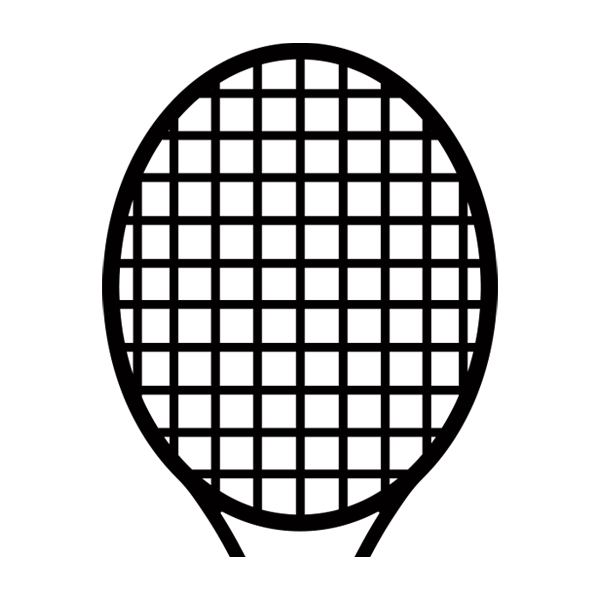
String Pattern
The string pattern influences spin, control, and power. Open patterns (e.g. 16x19) allow more spin and power due to increased string movement, while denser patterns (e.g. 18x20) provide more control and a cleaner, more precise feel.
Common patterns include 16x19 (most spin-friendly and powerful), 16x18 (even more spin potential), and 18x20 (denser, more control-focused). Open patterns typically create a larger “bite” on the ball, while denser patterns reduce string movement for a more predictable response.
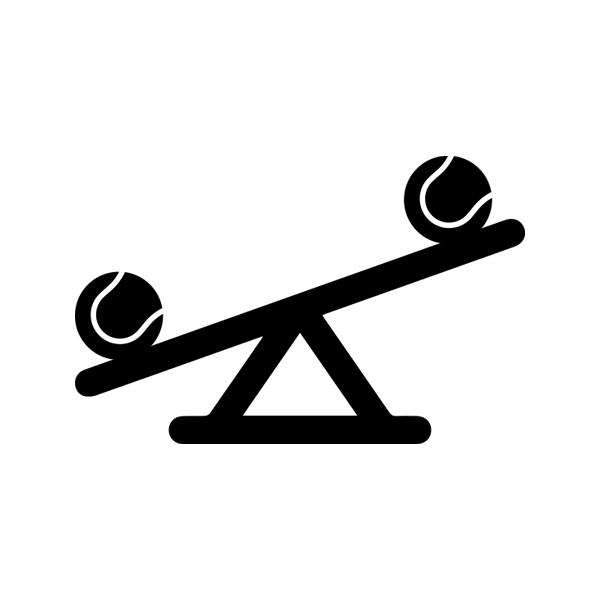
Balance
Balance refers to where the weight is distributed in the racket. Head-heavy rackets provide extra power and depth, while head-light rackets offer better control, faster handling, and easier manoeuvrability at the net.
Typical balance points range from around 310–320 mm (head-light, faster handling and control), 320–325 mm (evenly balanced, all-round performance), and 325–340 mm (head-heavy, more power and stability through the ball).
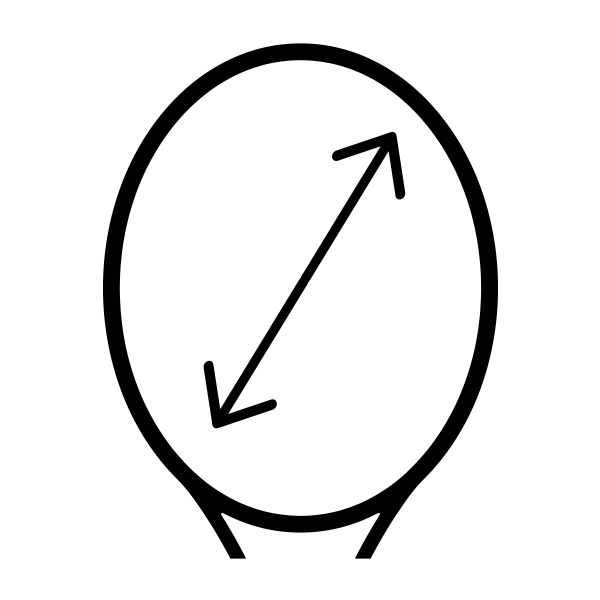
Head Size
Head size impacts power, forgiveness, and sweet spot size. Larger heads provide more power and a bigger sweet spot, making them more forgiving, while smaller heads offer greater control and precision for advanced players.
Head sizes typically range from 95–100 sq in (control-focused, smaller sweet spot), 100–105 sq in (balanced all-round performance), and 105–115 sq in (power and maximum forgiveness). Larger heads increase trampoline effect and margin for error, while smaller heads reward clean, accurate ball striking.
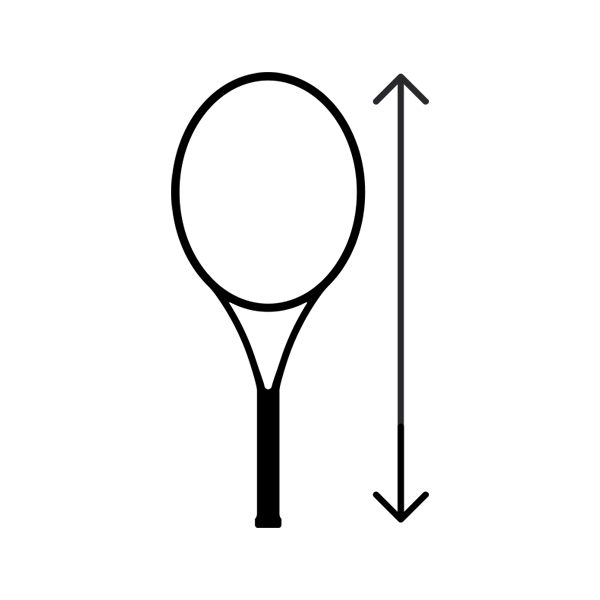
length
Racket length affects reach, leverage, and power. Extra length rackets give more reach and added serve power, while standard length rackets offer better control and quicker handling.
The standard tennis racket length is 27 inches (68.6 cm). Extended length frames range from 27.25 to 27.5 inches, offering extra reach and leverage on serves and groundstrokes, while shorter or customised frames (rare in modern tennis) are generally under 27 inches for increased manoeuvrability.
Our Recommendations for Every Player
Find the ideal tennis racket for your game, designed to match your playing style and performance needs. Whether you’re new to tennis or an experienced player looking to improve power, spin, control, or all-round consistency, our guide helps you identify what suits you best. Each category explains the type of player it is intended for, making it simple to match your ability and style with the right frame.
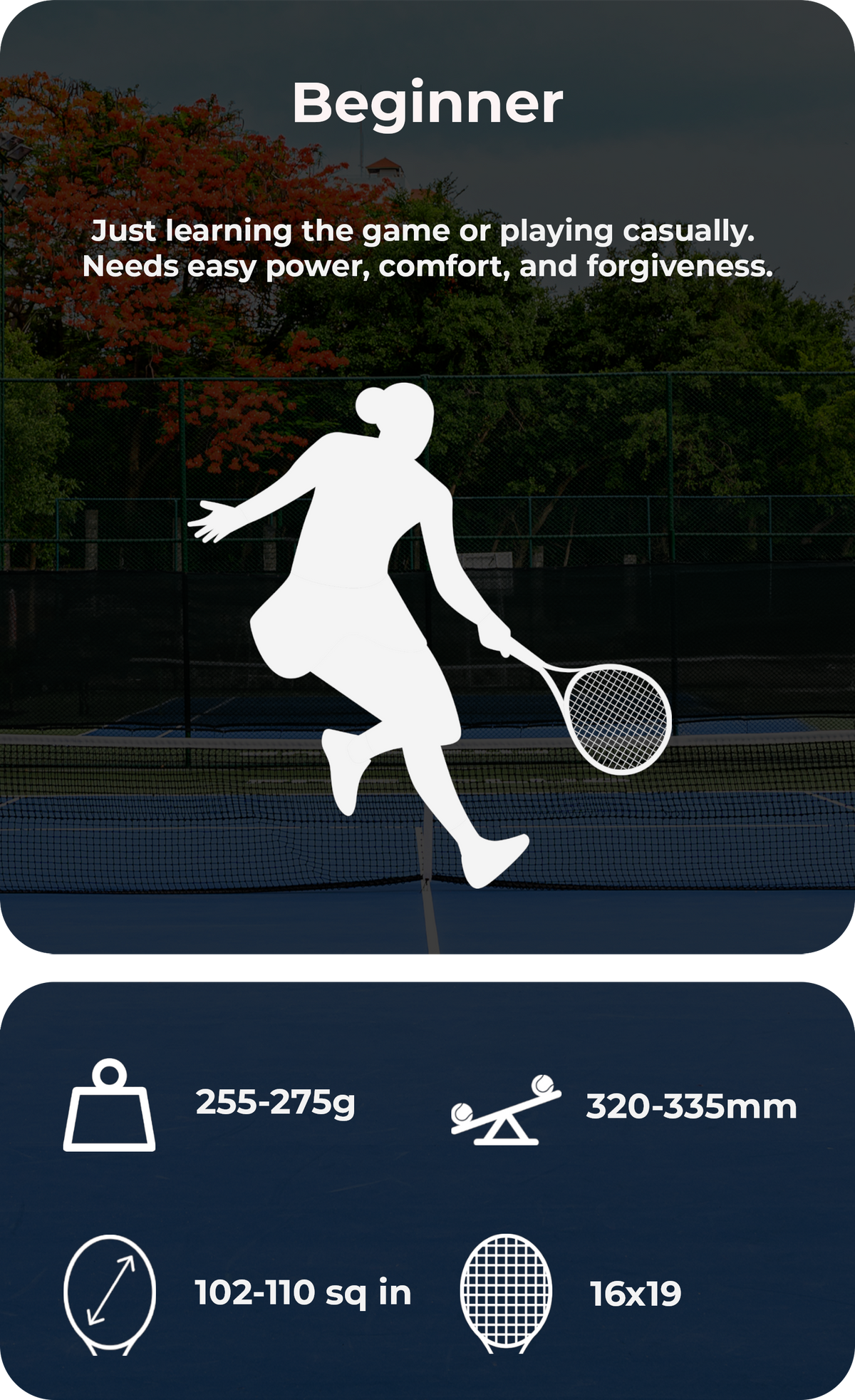
These racquets are designed to make learning the game as enjoyable as possible. Typically weighing between 255–275g with larger 102–110 sq in heads, they provide a generous sweet spot, easy power, and excellent forgiveness on off-centre shots. Their balanced or slightly head-light feel makes them comfortable to swing and ideal for players building confidence and consistency.
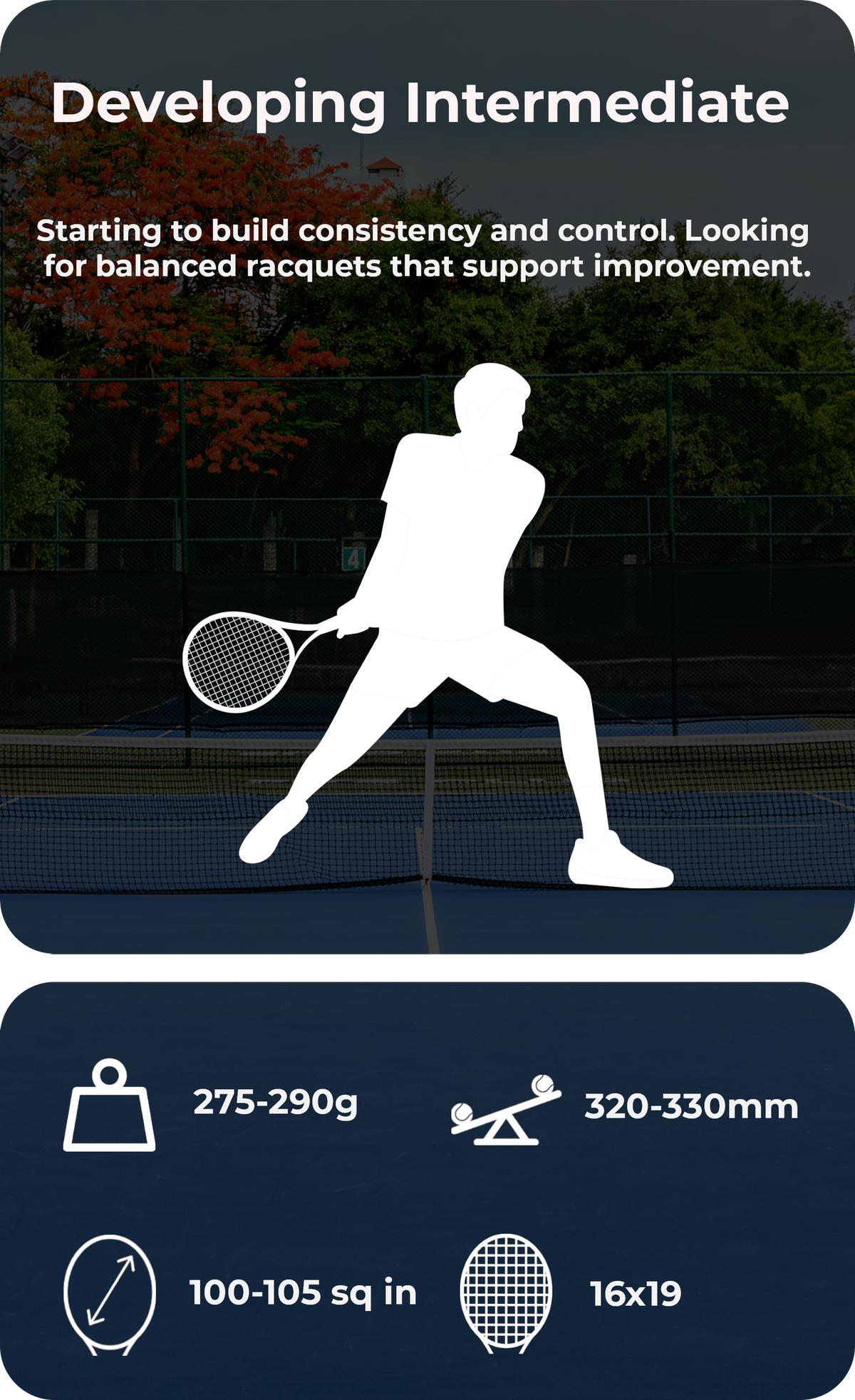
Developing intermediate racquets offer an excellent blend of power, control, and manoeuvrability. Usually weighing 275–290g with 100–105 sq in head sizes, they help players improve their technique while maintaining a forgiving feel. An even balance makes them versatile for both baseline rallies and all-court play.
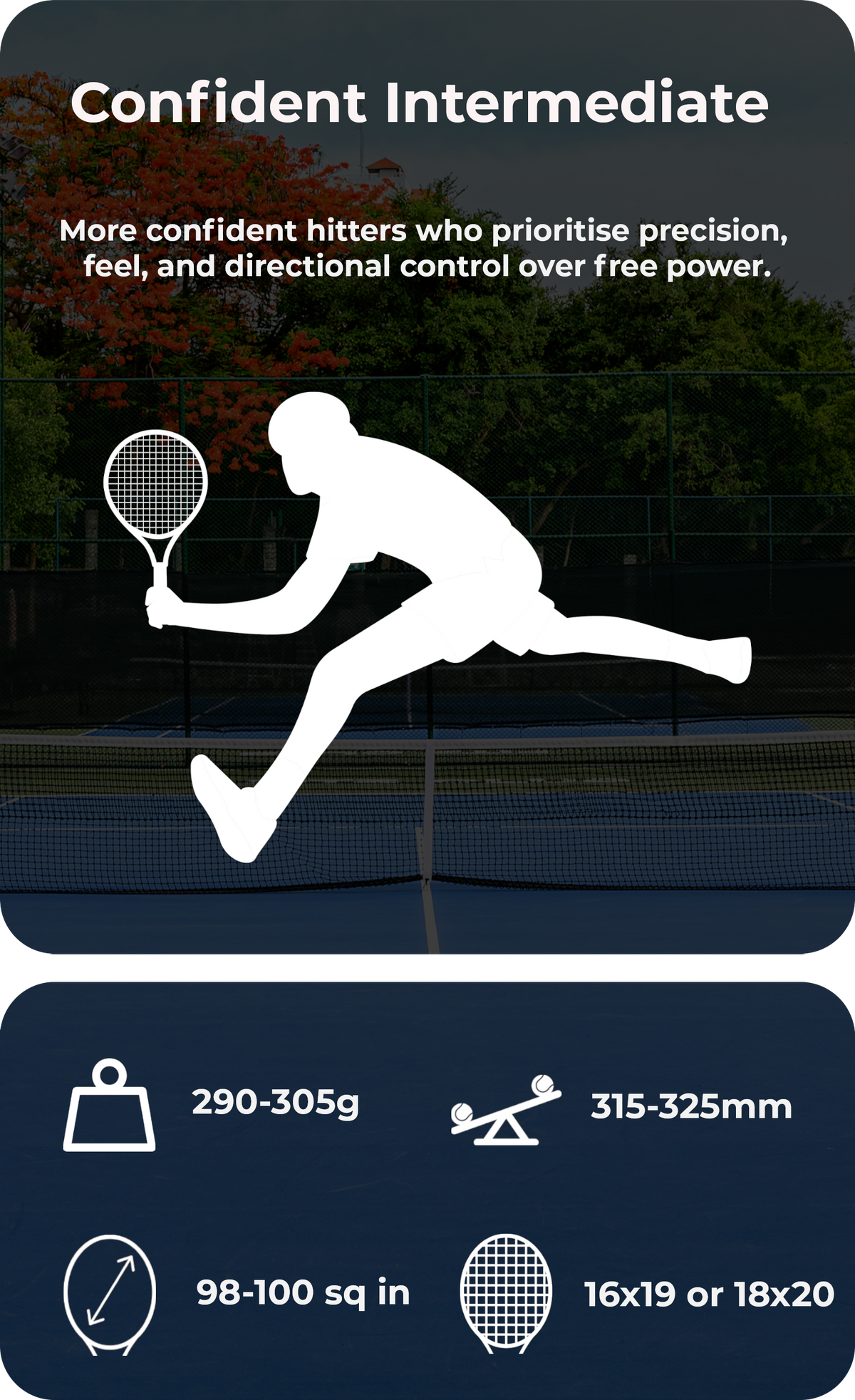
Built for players who are becoming more consistent, these racquets prioritise accuracy and feel without sacrificing too much forgiveness. Weighing around 290–305g with 98–100 sq in heads, they reward full swings with precise shot placement. A head-light balance provides greater manoeuvrability and confidence when attacking the ball.
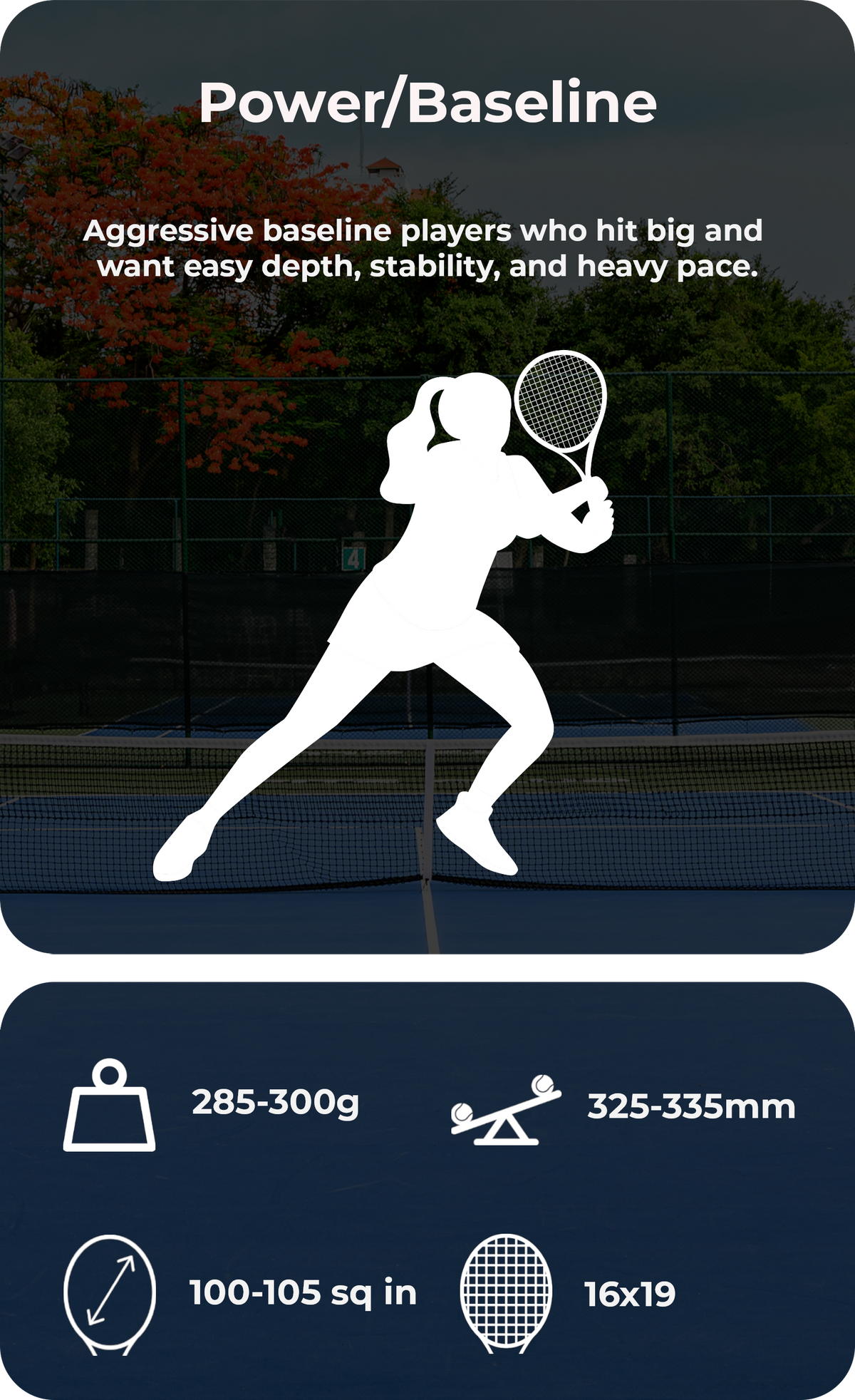
Designed for aggressive players who like to dictate rallies, these racquets generate easy depth and pace from the back of the court. Typically weighing 285–300g with 100–105 sq in heads, they offer a larger sweet spot and excellent stability. An even or slightly head-heavy balance helps maximise power while maintaining solid control.
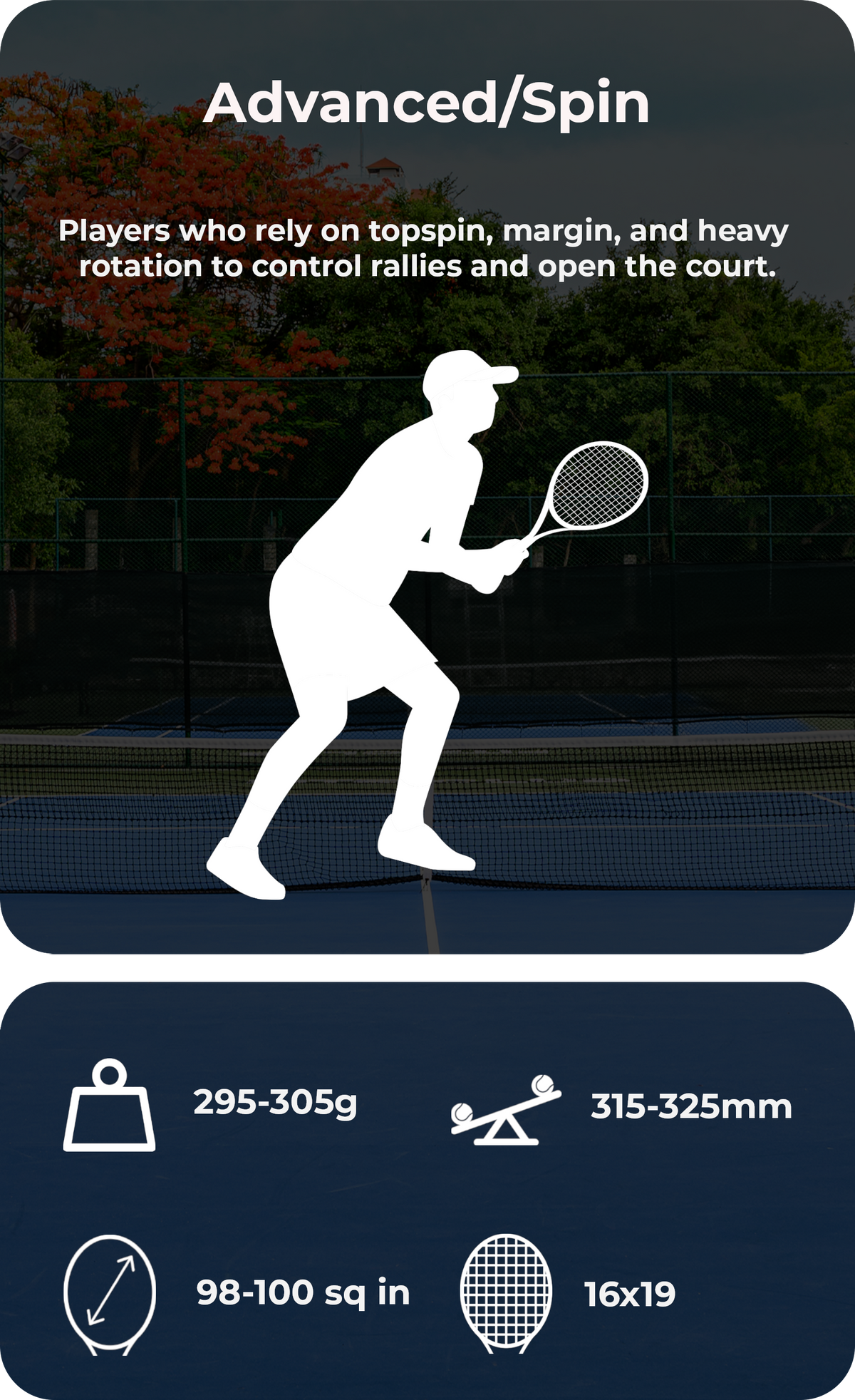
These racquets are engineered for players who rely on heavy topspin and fast racquet head speed. Usually weighing 295–305g with 98–100 sq in heads, they allow confident, aggressive swings while promoting spin and control. Their head-light balance keeps the racquet quick through the air for explosive groundstrokes and fast reactions.
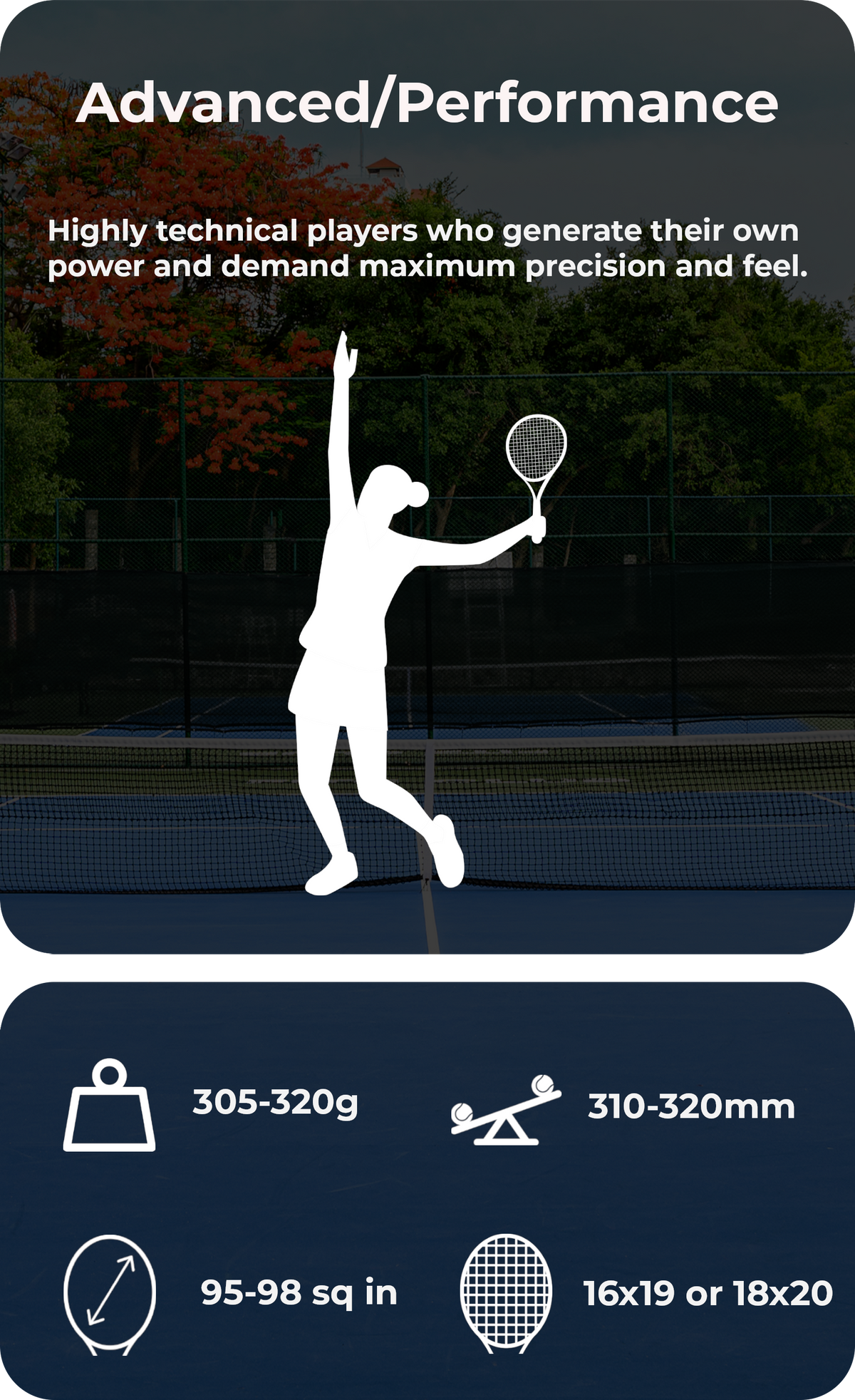
Advanced performance racquets are built for experienced players who generate their own power and demand maximum precision. Generally weighing 305–320g with compact 97–98 sq in heads, they deliver exceptional stability, control, and feel. Their head-light balance provides excellent manoeuvrability, making them ideal for confident players with refined technique.
how to choose a tennis grip size

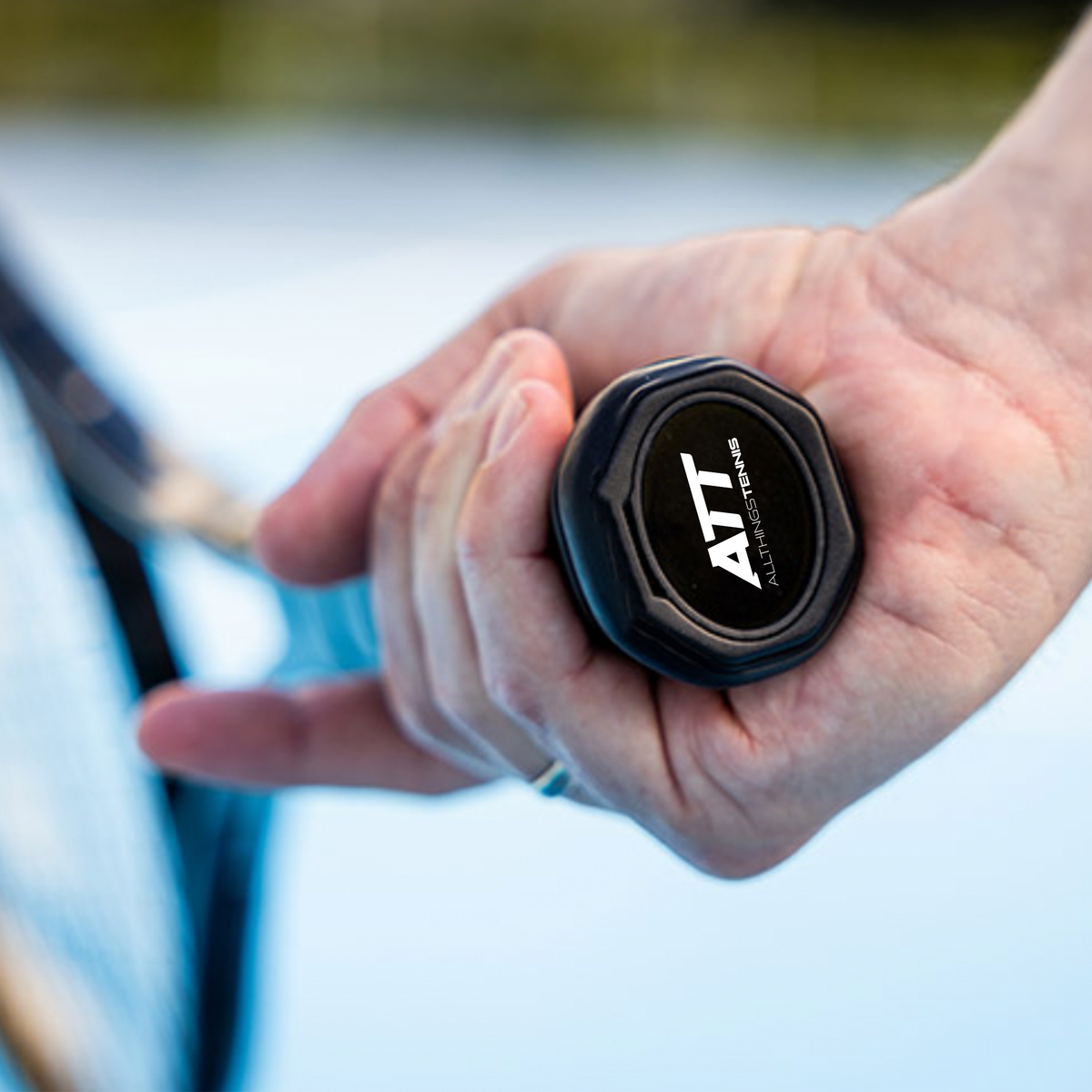
choosing a grip size
Choosing the correct grip size is essential for both comfort and performance on court. A grip that's too large or too small can make your racquet harder to control, increase fatigue in your hand and forearm, and may even contribute to wrist or elbow discomfort over time. The right grip allows you to swing with greater confidence, improving your control, power, and overall feel. Whether you're new to tennis or competing at a high level, selecting the correct grip size is an important first step towards playing your best.
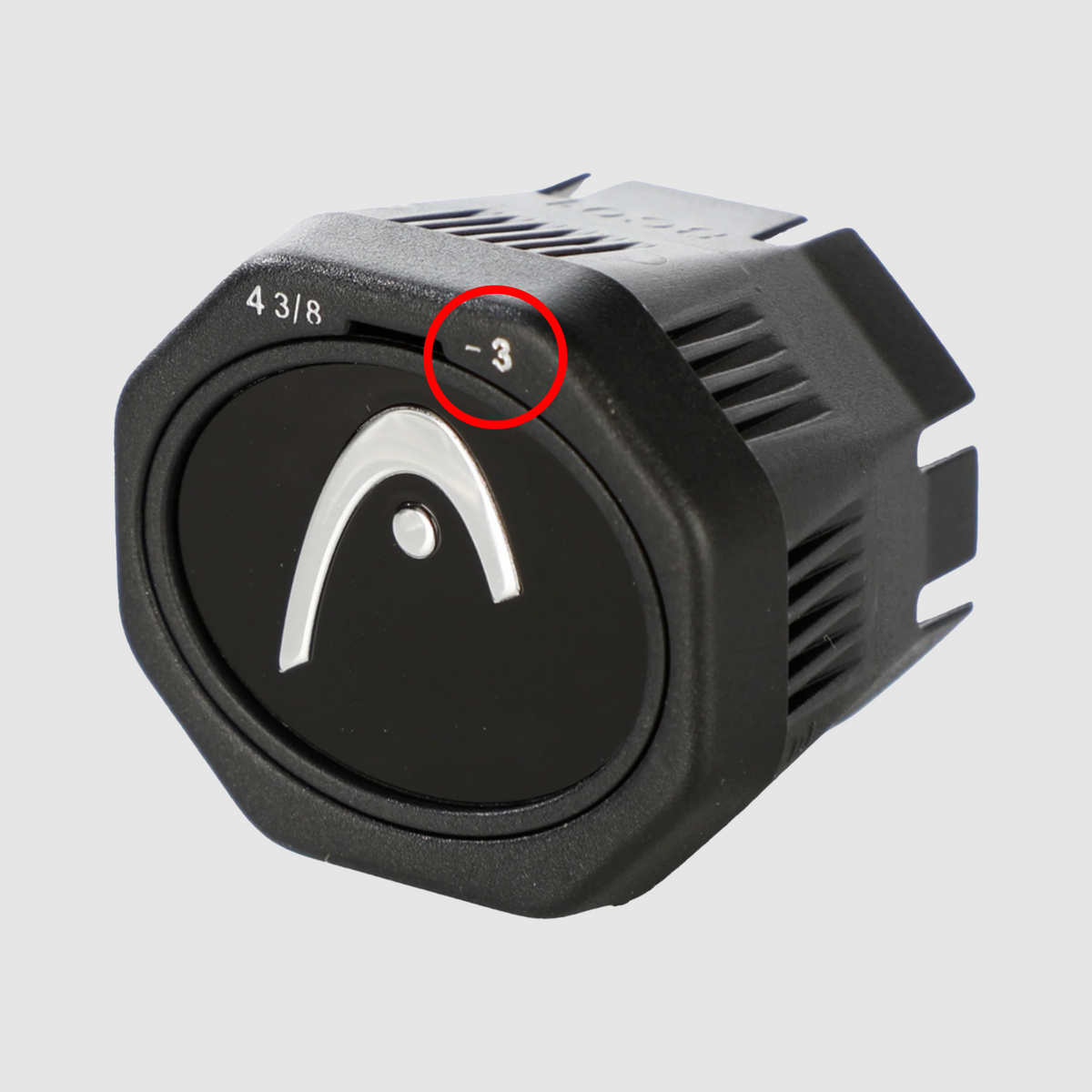
finding the rackets grip size
Finding your racket's grip size is quick and easy. On most tennis rackets, the grip size is printed on the butt cap at the base of the handle and is also often shown on the sticker or specification label attached to the handle when the racket is new. Grip sizes are displayed as 0 to 5 (or sometimes 4", 4 1/8", 4 1/4" and so on), making it simple to identify the size you currently use. If you're replacing your racket or trying a new model, checking these markings ensures you can choose the same grip size for a familiar feel and consistent performance on court.
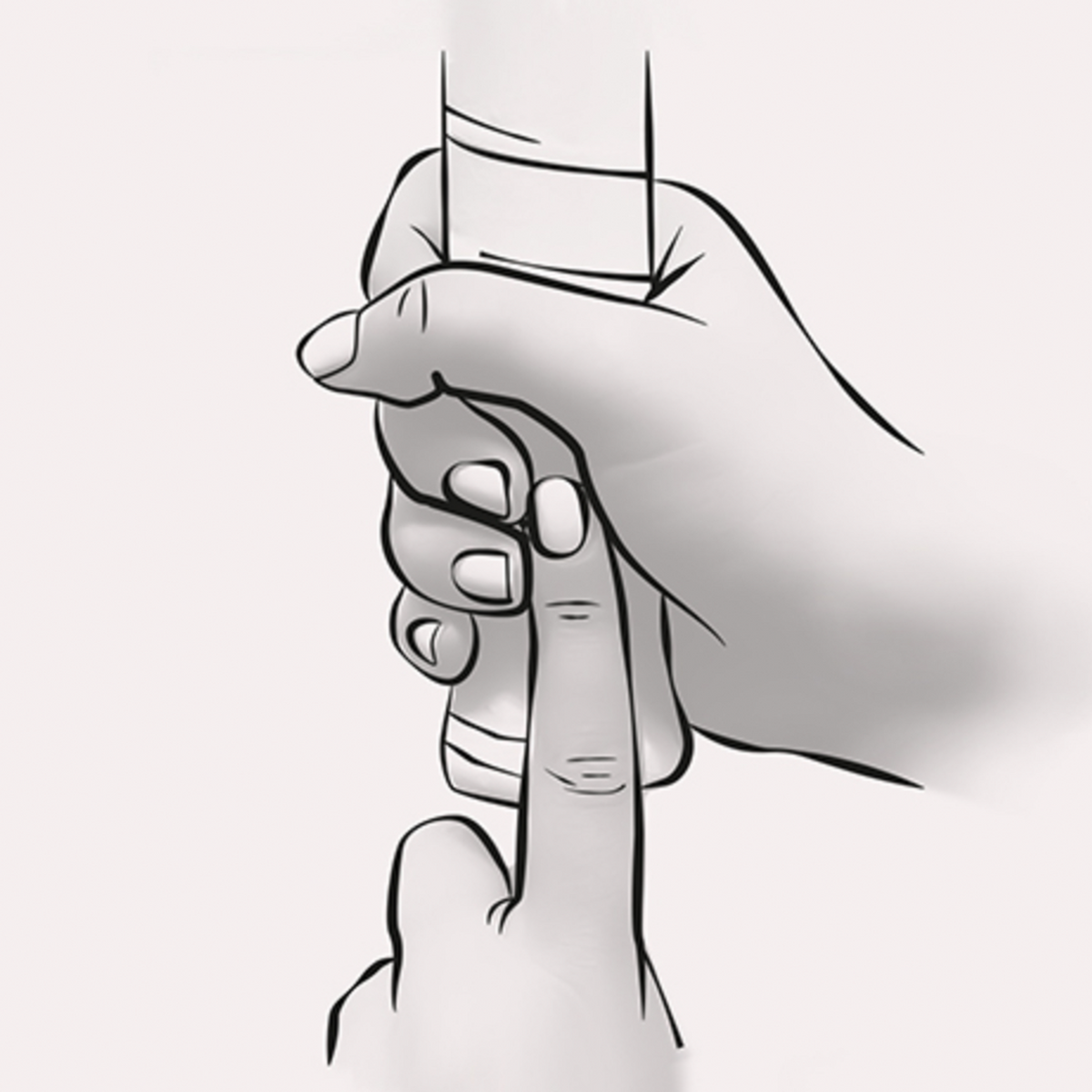
method
A simple way to check if your grip size is correct is with the finger test. Hold the racket using your normal forehand grip, wrapping your fingers comfortably around the handle. If your grip size is right, you should be able to fit the index finger of your opposite hand snugly into the gap between your fingertips and the base of your thumb. If there's no room, the grip is likely too small; if there's a large gap, it's probably too big. This quick test provides a reliable guide to finding a grip size that offers the ideal balance of comfort, control and confidence on court.